

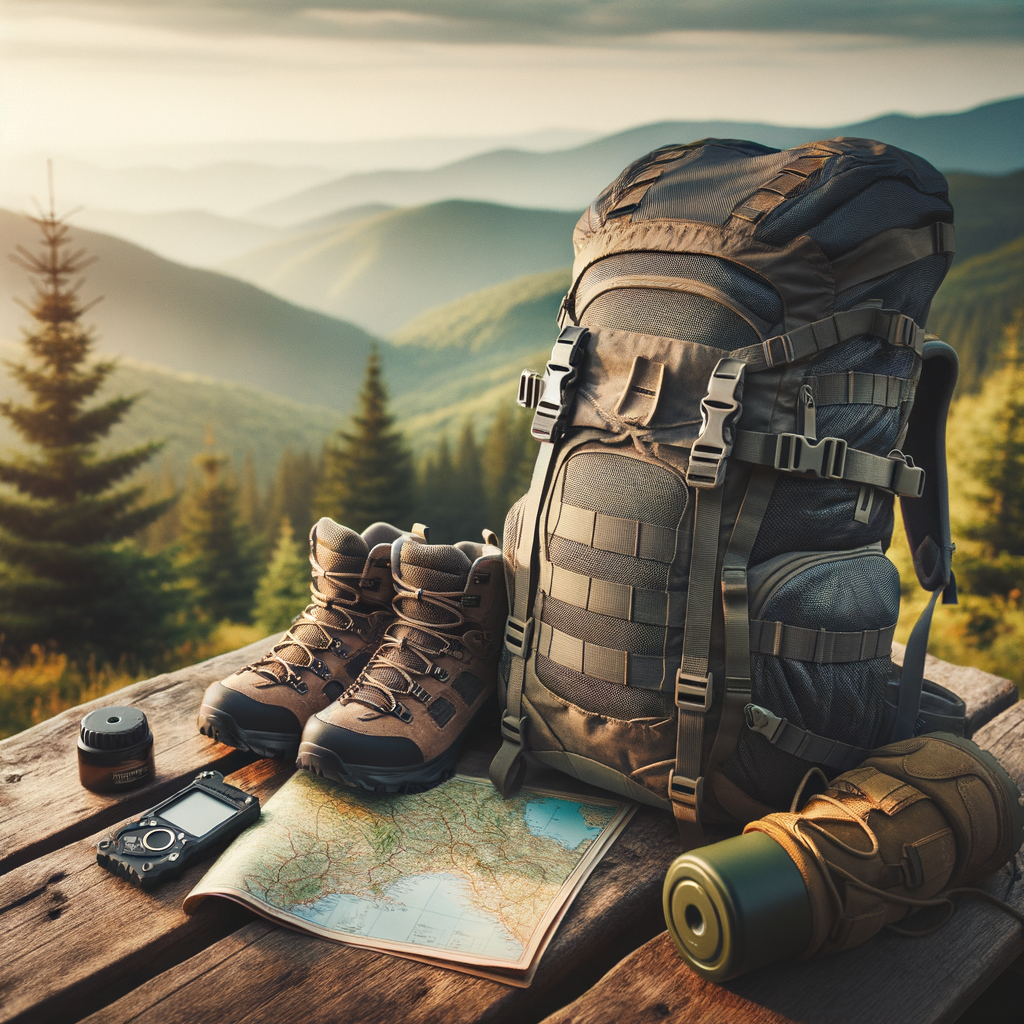
Discovering the Magic of Lightweight Backpacks: Your Ultimate Guide to Effortless Hiking

Hiking enthusiasts know that every ounce counts. The choice between a cumbersome backpack and a lightweight alternative can make or break an adventure. Picture this: you’re halfway through a scenic trail, surrounded by nature’s wonders, but instead of soaking in the view, you’re adjusting straps and shifting your load. Sound familiar? If so, you’re in the right place. This guide will explore why lightweight backpacks are a game-changer in the realm of hiking gear, offering you insights into making the most of your outdoor journeys.
—
Why Choose a Lightweight Backpack for Hiking?
The beauty of hiking lies in the simplicity of the experience – it’s just you, the trail, and the environment. But a heavy backpack can intrude on this idyllic scenario. So, why opt for a lightweight backpack when heading into the wild?
Flexibility and Comfort
A lighter backpack means increased flexibility and comfort. Reducing unnecessary weight helps prevent fatigue, ensuring you can focus on the trail and soak in your surroundings. With less strain on your back and shoulders, you’ll find hiking more enjoyable overall.
Pro Tip: Look for backpacks with padded straps and adjustable harnesses. A snug fit distributes weight evenly, enhancing comfort.
Enhanced Mobility and Speed
Lightweight gear allows for swift, uninhibited movement. Whether you’re navigating steep inclines or rugged descents, a minimalist pack supports agility without compromising stability. This could mean covering more distance in less time, allowing for a broader exploration of your chosen trail.
Example: During a recent trek in the Rockies, I switched from a heavy-duty pack to a lightweight one and was amazed at how much faster I could hike uphill, leaving more energy to appreciate the vistas.
—
Essential Features of a Lightweight Hiking Backpack
Not all lightweight backpacks are created equal. Focus on these key features to ensure you select the perfect companion for your hiking adventures.
Durability and Material
It’s a misconception that lightweight materials don’t hold up. High-quality, abrasion-resistant fabrics like ripstop nylon and Dyneema provide robust, lightweight protection against the elements.
Capacity and Organization
Prioritize backpacks with efficient use of space. Aim for designs that balance capacity with organization, providing ample room for essentials while maintaining a low profile.
– Compartments: Multi-pocket designs help distribute weight and keep items accessible.
– Hydration Integration: Opt for models with built-in hydration bladder pockets.
Weight Limit and Load Distribution
Check the weight limit compared to the pack’s lightness. The ideal backpack has a recommended load distribution system for stability and comfort. A pack shouldn’t just be light empty; it should feel effortless even when filled.
—
Outdoor Essentials to Pack in Your Lightweight Backpack
Once you’ve selected the perfect lightweight backpack, the next step is packing effectively. What goes inside is just as crucial as the bag itself.
Clothing and Layering
– Moisture-Wicking Layers: Prevents sweat buildup, keeping you dry.
– Insulating Layer: A lightweight fleece or softshell for warmth.
– Weather-resistant Jacket: Compact and packs small for unexpected showers.
Food and Water
Fuel your body efficiently with high-energy snacks and sufficient hydration.
– Trail Mix, Energy Bars: Compact and calorie-rich nourishment.
– Hydration Bladder/Bottles: Ensure easy access to water on the move.
Safety and Navigation
Staying safe and oriented on the trail is critical.
– Compact First Aid Kit: Essentials for minor injuries.
– Lightweight Map and Compass/GPS: Ensure you remain on the right path.
—
Tips for Maximizing Comfort with a Lightweight Backpack
Achieving comfort with your backpack involves more than just buying the lightest model. Here’s how to make the best use of your gear:
Pack Strategically
– Heavier Items Low and Centered: Keep the pack’s balance close to your body’s center.
– Frequent-Use Items on Top: Items like snacks and maps go in outer pockets for easy access.
Adjust for Your Fit
Periodically check and adjust your pack’s fit as you hike. Your body dynamics change with different terrains, and so should your pack’s configuration.
Example: On a steep incline, tightening the waist strap can help shift more weight to your hips, reducing shoulder strain.
Maintain Your Gear
Regular maintenance extends the lifespan and performance of your backpack. After each hike, clean out debris and check zippers and stitching for signs of wear.
—
Conclusion: Hit the Trails with Confidence
The liberation that comes with a lightweight hiking backpack cannot be overstated. When you’re less weighed down, your hikes become more about connecting with nature and less about coping with discomfort. Now that you’re armed with the knowledge to choose and pack your ultimate gear, the outdoors await!
Ready to upgrade your hiking experience? Dive into the world of lightweight gear and find the perfect backpack for your next adventure. Don’t forget to share your experiences and tips in the comments; we’d love to hear about your adventures!
