

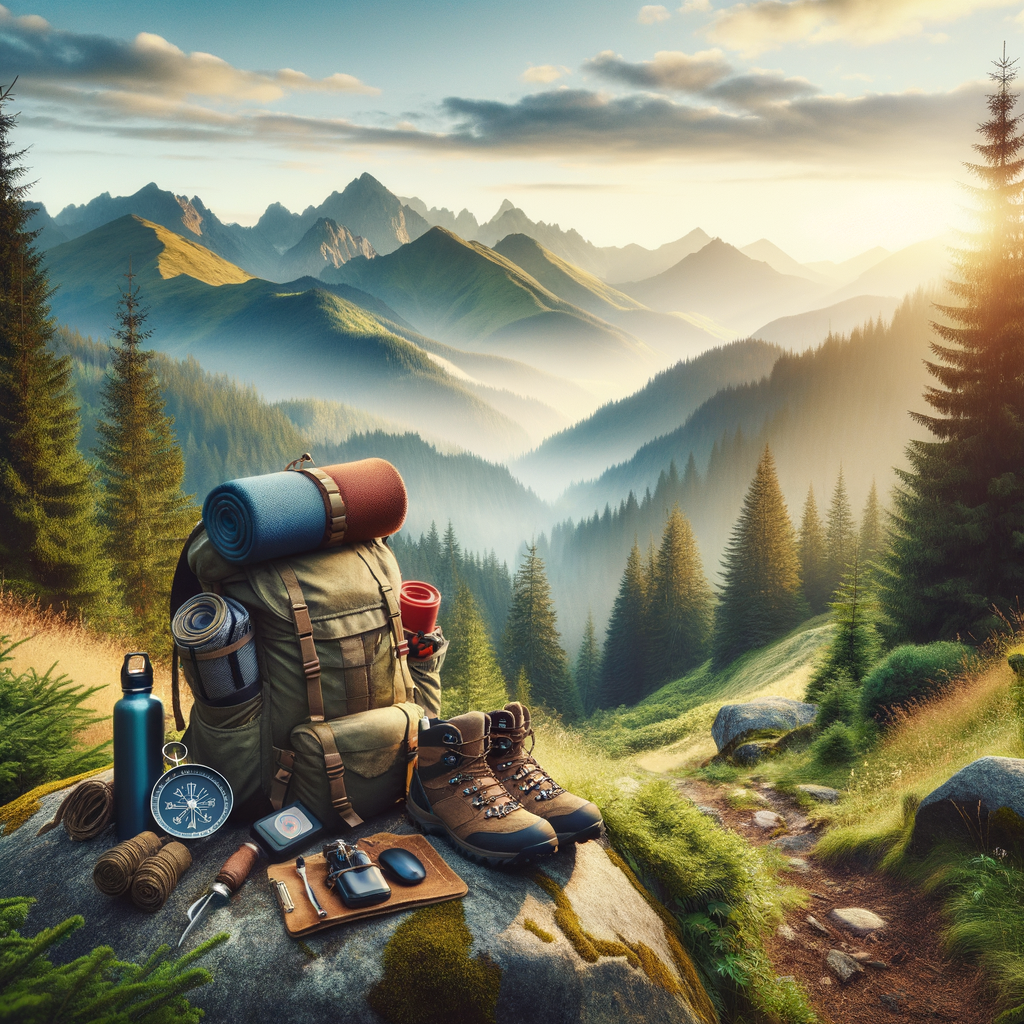
Beginner Hiking Tips: Your Essential, Effortless Guide to Start Exploring the Outdoors
Embarking on a journey through winding trails, captivating views, and the serene ambiance of nature—hiking is an adventure calling for many. Whether you’re seeking a peaceful escape, a fitness challenge, or simply a new hobby, hiking offers easy access to the great outdoors. But where do you begin if you’re new to this exhilarating pastime? No worries! Here’s your essential guide to kickstarting your hiking adventures, making it as effortless and enjoyable as possible.
Why Hiking is the Perfect Beginner Adventure

Set aside your hesitations because hiking is accessible and rewarding for everyone. Unlike gym routines or sports with steep learning curves, hiking can be tailored to suit fitness levels and personal interests. You don’t need complicated gear or intense training to get started. Instead, you’ll find a world of exploration awaiting just outside your door.
The Benefits of Starting with Hiking:
– Physical Fitness: Improve cardiovascular health, strengthen muscles, and enhance flexibility.
– Mental Well-being: Reduce stress and anxiety as nature soothes the soul.
– Adventure and Discovery: Experience new landscapes and escape the daily grind.
What to Know Before You Go: Key Beginner Hiking Tips
Unpreparedness can turn an enjoyable hike into an exhausting ordeal. Here’s how to set yourself up for success:
Choose the Right Trail
Start Easy: Search for local trails that match your fitness level. Begin with shorter routes and gradually tackle more challenging paths.
Use Trail Apps: Platforms like AllTrails or Gaia GPS provide detailed trail information, maps, and reviews. These tools help you understand trail difficulty, distance, and elevation changes.
Research Conditions: Consider the weather forecast and environmental conditions. Avoid hiking trails prone to slipperiness or those that may become treacherous with sudden weather changes.
Pack Smart: What to Bring on Your First Hike
Your checklist doesn’t need to be extensive but should cover essentials for safety and comfort:
– Water: Hydration is key. Bring at least 2 liters for a half-day hike.
– Snacks: Trail mix, energy bars, and fruit keep energy levels up.
– Appropriate Clothing: Dress in layers. A moisture-wicking base, insulating layer, and waterproof outerwear are essential.
– Navigation Tools: A physical map and compass or a reliable GPS device.
– First-aid Kit: Include band-aids, antiseptic wipes, and any personal medications.
– Lighting: A headlamp or flashlight for unexpected circumstances.
– A Small Backpack: Comfortably fits all your essentials and provides easy access.
Footwear Fundamentals
Invest in good quality hiking boots or shoes. Look for:
– Supportive Soles: Ensure they provide grip on various terrains.
– Comfort: Break them in before your hike to prevent blisters and discomfort.
– Fit: Test with the socks you’ll wear while hiking.
Exploring the Outdoors: Additional Tips for a Smooth Hike
Mental Preparation and Mindset
Hiking is as much a mental challenge as it is physical. Approach each hike with flexibility and patience:
– Set a Comfortable Pace: It’s okay to start slowly and take breaks.
– Stay Positive: Embrace each step as part of the adventure, even when the trail gets tough.
Outdoor Etiquette: Leave No Trace
Respect nature and fellow hikers by:
– Carrying Out Trash: Leave nothing behind.
– Staying on Marked Trails: Protect ecosystems and prevent erosion.
– Respecting Wildlife: Maintain a safe distance and never feed animals.
Safety Guidelines
Your safety is paramount:
– Inform Someone: Share your plans and expected return time.
– Stay Aware: Keep to daylight hours when starting out and be alert to surroundings.
– Emergency Plans: Know basic survival skills like contacting help if you experience disorientation or injury.
Gearing Up and Getting Going: Beginner Hiking Gear Recommendations
Starting with foundational gear will ease your introduction to hiking:
1. Backpacks: Lightweight daypacks with hydration compatibility.
2. Poles: Hiking poles reduce stress on joints and improve stability.
3. Sunglasses and Sunscreen: Protect against UV rays, even on overcast days.
4. Tech Tools: Consider investing in a power bank for electronic devices.
Conclusion: Celebrate Your Journey with Every Step
Embark on your hiking adventure with confidence, exploring nature’s bounty one trail at a time. Hiking for beginners doesn’t need to be overwhelming. By following these essential tips, you can make each journey effortless and filled with the joys of discovery. So, grab your gear, choose your trail, and step outside—your adventure awaits!
Ready, Set, Explore! Share your first hiking experience in the comments, or tag us on your adventure photos. We’d love to hear your stories and trails attempted. Happy hiking!
