

Beginner Hiking Tips: Essential & Easy Ways to Start

Introduction
Stepping into the world of hiking opens up a universe of breathtaking landscapes and exhilarating experiences. Whether it’s the whispering winds through forest leaves or panoramic mountain vistas, hiking offers a unique blend of adventure and tranquility. However, for beginners, the thought of embarking on that first trail can be daunting. Fear not! This guide provides you with essential hiking tips for beginners—a compass to set you well on your way to becoming a confident hiker.
Why Hiking Is the Perfect Outdoor Activity for Beginners
Hiking is accessible to almost everyone. Unlike other outdoor pursuits that may require expensive gear or extensive skills, hiking only demands a sense of adventure and some basic preparation. Here’s why hiking is a fantastic starting point for outdoor enthusiasts:
– Low Cost: Most trails are free or have minimal fees.
– Physical Benefits: It’s a great cardiovascular workout.
– Mental Health: Nature immersion reduces stress and boosts mood.
– Social Opportunities: Hike solo for introspection or join groups to meet new people.
Choosing the Right Trail: Where to Start
Selecting your first trail is critical to a positive hiking experience. Begin with easier, well-marked trails and gradually work your way up as your skills and confidence grow.
Factors to Consider:
– Trail Length: Start with trails that are 1-3 miles long.
– Elevation Gain: Look for trails with minimal elevation change.
– Terrain: Choose well-maintained trails with clear paths.
– Local Resources: Apps like AllTrails provide detailed maps and user reviews.
Example Beginner Trails:
– Lace Falls Trail in Virginia: Offers gentle inclines and leads to a stunning waterfall.
– Muir Woods Trail in California: Experience the majestic redwoods on a short, flat path.
What to Pack for a Day Hike
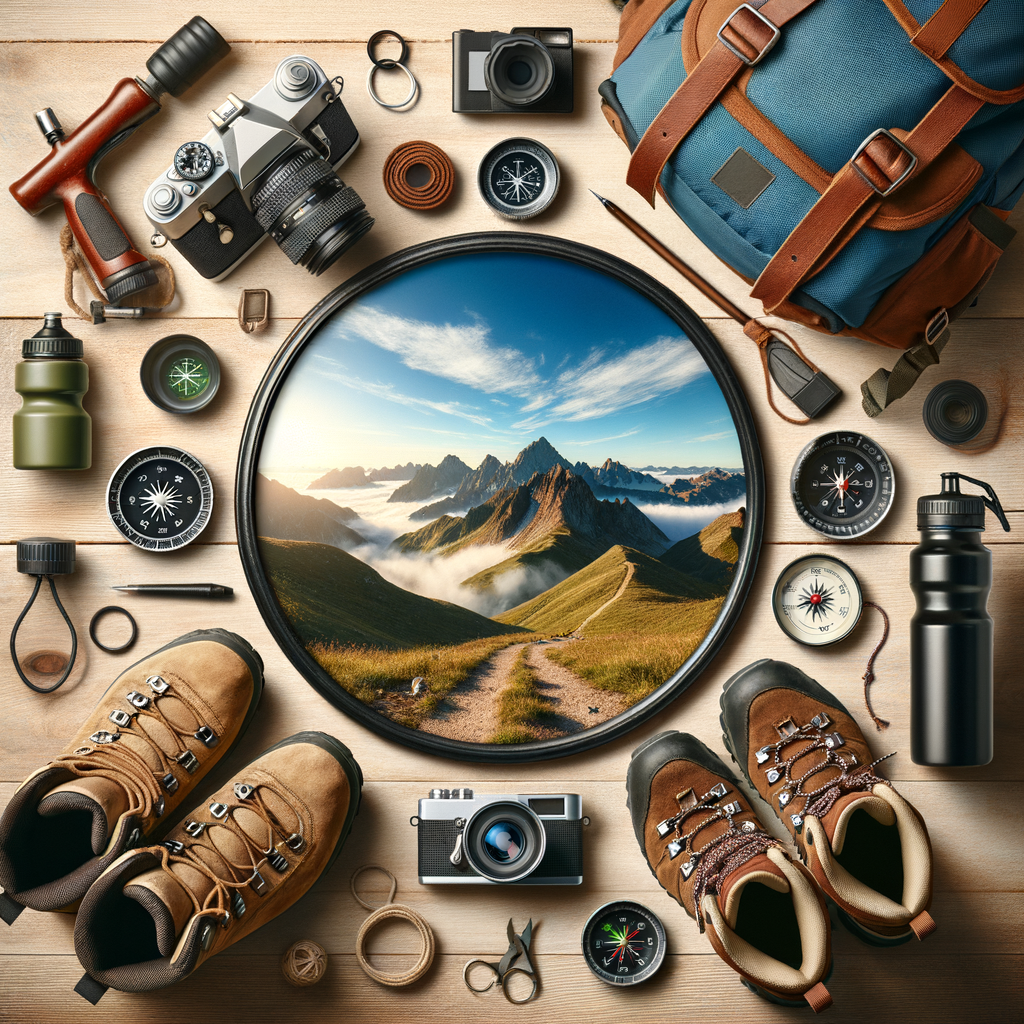
Packing the right gear is vital. You don’t need the latest high-tech equipment; just focus on essentials to keep you safe and comfortable.
Clothing:
– Layered Outfit: Comfortable base layers, insulating mid-layers, and a waterproof outer layer.
– Sturdy Footwear: Invest in trail shoes or hiking boots.
– Hat and Gloves: Weather-dependent, but crucial for cold conditions.
Essentials:
– Water: A hydration pack or water bottles, aiming for at least 2 liters.
– Snacks: Trail mix, energy bars, or fruit for quick energy.
– First-Aid Kit: Include band-aids, antiseptic wipes, and any personal medications.
Navigation Tools:
– Map and Compass: Essential, even if you have a GPS or smartphone.
– Phone Charger: A portable charger extends your phone’s battery life for emergencies.
Outdoor Tips for Safe Hiking
When venturing into nature, safety should always come first. Here are some practical tips to ensure your adventures are safe and enjoyable:
Before You Go:
– Check Weather Conditions: Avoid hiking in severe weather.
– Inform Someone: Tell a friend or family member your plan and expected return.
– Know Your Limits: Start with manageable trails and pace yourself.
On the Trail:
– Stay on Marked Paths: Straying can lead to getting lost or harming delicate ecosystems.
– Be Aware of Wildlife: Learn local wildlife advice and respect all creatures.
– Leave No Trace: Carry out everything you bring in to preserve nature’s beauty.
Building Confidence: Hiking with Others
As a beginner, hiking with experienced friends or joining local hiking groups can be immensely beneficial. Not only does it provide safety in numbers, but it also offers community learning opportunities and support.
Finding Hiking Buddies:
– Meetup Groups: Many locations have hiking-specific groups that welcome all levels.
– Social Media: Join local hiking forums or groups where people organize hikes.
– Guided Hikes: Some parks offer guided hikes that are educational and beginner-friendly.
Mistakes to Avoid: Common Beginner Pitfalls
When new to hiking, it’s easy to make a few missteps. Learning from these can ensure your experiences remain positive.
– Overpacking or Underpacking: Strike a balance; essentials over extras.
– Ignoring Trail Signs: Pay attention to markers to avoid taking wrong turns.
– Starting Too Late: Allow enough time to finish your hike before sunset.
Conclusion: Embark on Your Hiking Adventure
You’re now equipped with the knowledge to make your first hike a memorable one. Embrace the adventure with confidence, knowing you’ve prepared well. With each step, you’ll discover more about the world around you—and yourself. Now, lace up those boots, grab your backpack, and hit the trail. Happy hiking!
Ready to explore more trails? Join our community for monthly hiking tips and inspiration. Sign up for our newsletter today!
